
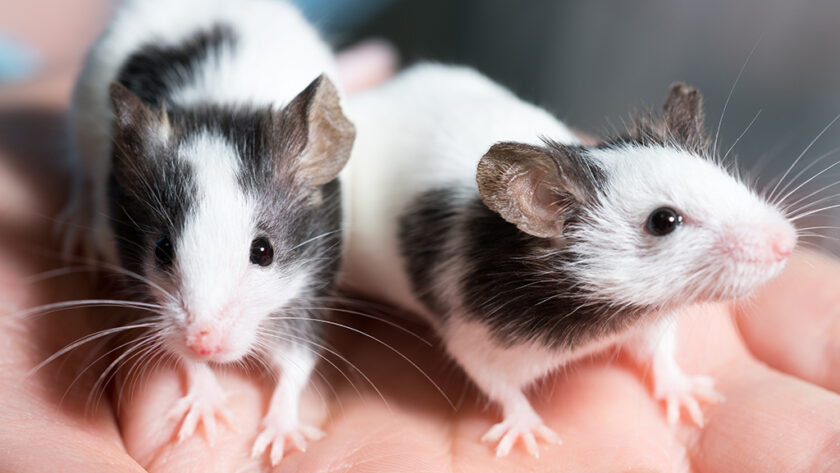
Welcoming pet mice into your home can be a delightful experience. These tiny, curious creatures bring joy and companionship, but they also require specific care to ensure their well-being.
How to Take Care of Your Pet Mice
Whether you’re a seasoned animal lover or a new mouse owner, here’s a comprehensive guide to keeping your pet mice healthy, happy, and thriving including the following basic supplies and essentials:
- Foods (they can eat and not eat)
- Enclosures
- Bedding
- Hides
- Climbing
- Toys & Enrichment
- Safe & Natural Items
If you have any questions about your pet mouse care beyond what we’ve provided, please be sure to check out additional reputable care sites, such as the Animal Humane Society for mouse care or Chewy’s Beginners Guide for a Pet Mouse.
| Difficulty of Care | Easy, Beginner |
| Average Life Span | 15–24 months |
| Average Adult Size | 3 inches long, not including tail |
| Diet | Omnivorous (plants & insects) |
| Minimum Habitat Size | 20” L x 10” W x 12” H (20 gal tank)
(they are active creatures and can run 3 miles daily in the wild) |
Let’s jump right in with….
1. Foods They Can Eat
A balanced diet is crucial for your mice’s health. In the wild, mice have varied diets, but pet mice need a more controlled approach.
✅️ Staples:
- Commercial Mouse Food: High-quality pelleted food specifically designed for mice is a great base. It provides essential nutrients and helps maintain dental health.
- Fresh Vegetables: Offer small amounts of fresh vegetables like carrots, peas, celery, beans, broccoli, cabbage, and sprouts and bell peppers. Avoid starchy vegetables like potatoes.
- Fruits: Apples, berries, pears, bananas and melons are good in moderation. Avoid citrus fruits as they can upset their stomachs.
- Dried mealworms: A nutritious snack for mice that’s also a good source of animal protein.
- Hay: A great source of fiber that helps keep a mouse’s intestines healthy. Hay can also provide entertainment for mice, as they can use it to build nests and play with it.
- Herbs, flowers & leaves: basil, dill, echinacea, daisy, chamomile, dandelion, mallow, red clover, sorrel, ribwort, dead-nettle, white clover, rough hawksbeard, chickweed, cornflower blossoms, yarrow
- Concentrates: Nuggets or mixes can help provide a nutritional balance for mice.
- Fresh water: A vital part of a pet mouse’s diet, fresh water should always be available. A plastic drinking bottle with a metal spout is a good option.
✅️ Treats:
- Seeds and Nuts: Occasional treats like sunflower seeds or a small piece of unsalted nut can be enjoyed, but they should not make up a large part of their diet.
❌ Avoid:
- ❌ Processed Foods: Sugary or salty snacks are harmful to mice.
- ❌ Dairy: Mice are generally lactose intolerant.
2. Sizeable Enclosures
Mice are active creatures and need space to exercise and explore.
Minimum Size:
- Single Mouse: A cage that provides at least 2 cubic feet of space is recommended. Larger is always better, as it allows more room for enrichment.
- Multiple Mice: For a group, a larger cage is essential, with a minimum of 3 cubic feet of space, as mice are social animals and thrive in groups.
Cage Types:
- Wire Cages: Provide good ventilation but ensure the bars are close enough together (1/4 inch) to prevent escapes.
- Glass Tanks: Offer visibility and are easy to clean but ensure adequate ventilation.
Their happiness is a reflection of the care and love you provide.
3. Bedding
Choosing the right bedding is vital for your mice’s health.
Safe Bedding Options:
- Paper-Based Bedding: Dust-free and highly absorbent, this is a great option for preventing respiratory issues.
- Aspen Shavings: A good alternative to cedar or pine, which can be harmful due to their aromatic oils.
❌ Bedding to Avoid:
- ❌ Cedar and Pine Shavings: These can cause respiratory problems and liver damage due to the oils they contain.
4. Hides
Mice need hiding spots to feel secure and comfortable.
Types and Quantity:
- Hide Houses: Provide multiple small, enclosed spaces for your mice to retreat and sleep.
- Number: At least one hide per mouse is ideal to avoid territorial disputes.
Reason: Hides mimic their natural burrowing behavior and help reduce stress by giving them a sense of security.
5. Climbing & Enrichment
Mice are natural climbers, and providing climbing opportunities is essential for their physical and mental stimulation.
Options Include:
- Store-Bird Climbs: These are durable and can be mounted inside the cage.
- Ropes: Use bird ropes or you can use untreated, natural fibers. Secure them well to prevent accidents.
- Fabric and Felt: Ensure these materials are clean, safe, and free from loose threads that could pose a choking hazard
- 8″ Wheel
- Tunnel
- Tissue
- Bird Ladder
- Wood Stairs
6. Toys
Creative and safe toys can keep your mice entertained and engaged.
Homemade Toy Ideas:
- Egg Cartons: These can be used for hiding treats and as a play structure.
- Toilet Paper Rolls: Fun for chewing and climbing through.
- Cardboard Tubes: Offer tunnels and hiding spots.
- Popsicle Sticks: Construct small, safe structures for climbing or chewing.
7. Safe & Natural Toys
Incorporating natural elements into their environment can be enriching.
Safe Branches:
- Types: Maple, apple, and willow branches are good choices. Avoid branches from fruit trees that have been treated with pesticides.
- Preparation: To ensure branches are free from bugs and diseases, bake them in an oven at 250°F (120°C) for 30 minutes.
Additional Tips for a Happy Mouse
- Social Interaction: Mice are social animals and thrive on interaction with their cage mates and with their owners.
- Regular Cleaning: Clean the cage regularly to prevent odor and maintain a healthy environment.
- Health Monitoring: Keep an eye on their weight and general health. Any significant changes should be checked by a veterinarian.
By providing a well-balanced diet, ample space, appropriate bedding, and engaging enrichment, you can ensure your pet mice lead long, happy lives.
Their happiness is a reflection of the care and love you provide.
Happy mouse-keeping!